Introduction
Water well pumps are important for homes, farms, and business use. They bring water from deep underground and send it where it is needed. But not all pumps stay strong for long. Many pumps fail because of rust and corrosion. Rust can damage the pump, block water flow, and even change the taste and color of the water.
This is why stainless steel water well pumps stand out. They fight rust and corrosion better than many other pump types. They keep water clean and extend the pump’s life. In this article, we will look at how stainless steel pumps prevent rust, why they are a smart choice, and how you can care for them for years of safe use.
What Is Rust and Corrosion?
Rust is a type of corrosion. It happens when iron meets water and oxygen. Over time, the surface breaks down and weak flakes appear. Corrosion also happens when chemicals, salts, or minerals attack the metal surface.
In pumps, rust is common because they always touch water. The deeper the well and the harsher the water, the faster rust spreads. Once rust starts, it does not stop on its own. It grows, eats the metal, and makes the pump weak.
What Causes Rust in Water Well Pumps?
Water Exposure
A Stainless Steel Water Well Pumps sits inside water or works with water flow all the time. This constant contact starts the rusting process in regular steel or iron pumps.
Oxygen Contact
When oxygen mixes with water, it speeds up corrosion. Even small amounts of air in the water can harm a pump.
Minerals in Groundwater
Groundwater often carries salts, iron, or calcium. These minerals break down weak surfaces faster. In salty regions or coastal areas, pumps corrode even quicker.
Aging Pumps
Older Stainless Steel Water Well Pumps wear down with years of use. Paint layers peel off, coatings fade, and the raw metal inside starts to rust.
Stainless Steel and Its Special Shield
The main reason stainless steel fights rust is the chromium layer. Chromium is part of stainless steel. When stainless steel touches oxygen, chromium forms a thin, invisible shield. This is called a passive layer.
This shield keeps water and oxygen away from the main metal. Even if the pump gets scratched, the shield can repair itself. That means stainless steel does not flake, peel, or rust like normal iron.
Stainless steel is also non-reactive. It does not react with salts or acids in the same way other metals do. This makes it safe in harsh water.
Why Stainless Steel Pumps Stay Rust-Free
Smooth Surface
Stainless steel has a smooth surface. This means minerals and dirt do not stick as much. Less buildup keeps the pump clean.
Strong in Harsh Water
Whether the water has high salt, sand, or acids, stainless steel holds strong. It does not weaken like cast iron.
No Rust Flakes
When iron pumps rust, flakes break off. These flakes flow into the water, making it dirty. Stainless steel stops this, so water stays clean.
Long Life Performance
Because the pump does not rust, it lasts longer. Many stainless steel pumps work for decades with little trouble.
Benefits of Stainless Steel Water Well Pumps
Clean and Safe Water
No rust in the Stainless Steel Water Well Pumps means no rust in your drinking water. Stainless steel pumps give clear water without odd taste or color.
Long Pump Life
Rust is the biggest reason pumps fail early. By stopping rust, stainless steel pumps last longer.
Low Maintenance
Fewer repairs are needed. Stainless steel pumps do not need repainting or coating.
Strong Build
Stainless steel is tough. It holds up in deep wells, high pressure, and heavy use.
Good Value
Even if the cost is higher at first, stainless steel saves money in the long run. Fewer breakdowns mean fewer replacement costs.
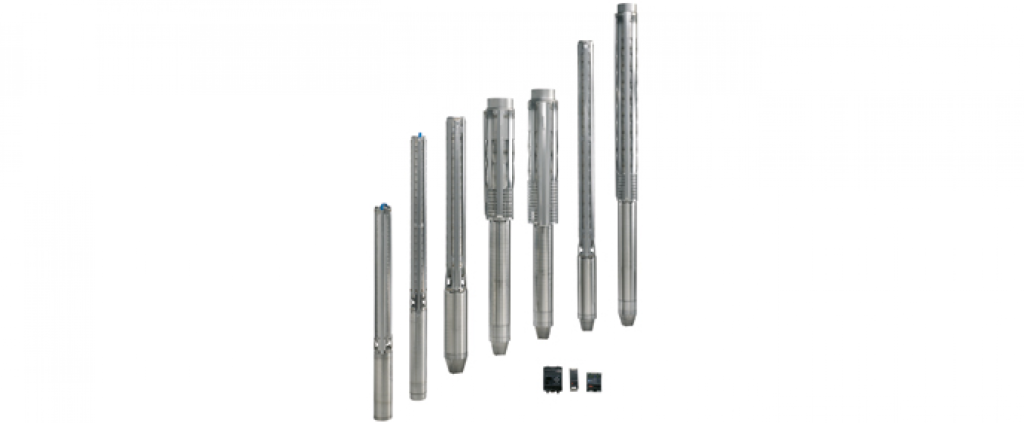
Stainless Steel vs Other Pump Materials
Cast Iron Pumps
- Rust fast when the coating wears off
- Heavy and need painting or liners
- Not safe for harsh or salty water
Plastic Pumps
- Do not rust but can break or crack
- Weaker in deep wells
- Not as durable for long-term use
Stainless Steel Pumps
- Strong, smooth, and rust-free
- Last longer in all water types
- Best choice for homes, farms, and industry
Common Uses of Stainless Steel Pumps
Home Water Supply
Many homes use stainless steel pumps for clean, rust-free water. These pumps ensure safe water for cooking, drinking, and cleaning.
Farms and Irrigation
Farmers rely on steady water flow for crops and animals. Stainless steel pumps stay reliable, even in muddy or mineral-rich water.
Industry
Factories often use harsh water with chemicals. Stainless steel pumps resist corrosion and keep systems running without leaks.
Commercial Use
Schools, hotels, and rural businesses need strong pumps. Stainless steel pumps work well for large-scale water supply.
How to Care for Stainless Steel Water Well Pumps
Check the Pump Regularly
Look for changes in sound or flow. A weak flow may mean scale or buildup inside.
Clean When Needed
Flush the pump to remove dirt or scale. Clean surfaces keep pumps strong.
Watch for Scaling
Even stainless steel can get mineral buildup. Use soft cleaners to remove it before it gets worse.
Service on Time
Have the pump checked by a professional after a few years. Small checks prevent big repairs.
Signs Your Pump Needs Attention
- Water flow is weaker than normal
- Water color looks cloudy or odd
- Pump makes unusual sounds
- Energy bills rise because the pump works harder
If these signs show, check the pump right away. Sometimes it is simple cleaning. Other times, parts may need repair.
Real-World Example
In coastal areas, pumps face salty water every day. Cast iron pumps often fail in less than five years. Stainless steel pumps, on the other hand, last much longer. Farmers near salty soil use stainless steel pumps because they resist rust and keep water safe for crops.
In cities with hard water, stainless steel also proves its worth. Hard water carries calcium that clogs weaker pumps. Stainless steel fights scaling better, which keeps water flow smooth.
Why Choose Stainless Steel for Your Well Pump
When buying a new pump, think about more than cost. A cheap pump may seem fine, but if it rusts in a few years, you will spend more to replace it. Stainless steel gives you peace of mind. It gives clean water, strong performance, and long life.
Conclusion
Rust and corrosion are the biggest enemies of water well pumps. They damage parts, shorten pump life, and make water dirty. Stainless steel water well pumps stop this problem.
Thanks to chromium and the passive shield, stainless steel does not rust like other metals. It stays strong in salty, hard, or harsh water. The result is clean water, less repair, and many years of service.
For homes, farms, or industry, stainless steel is the smart choice. A pump that resists rust is not just a pump it is an investment in safe water and long-term savings.